Data is essential for modern charities and non-profits. It provides the measurable evidence needed to secure funding, maximize community impact, and build donor trust. Our impact is usually expressed through concrete numbers like food bank visits, shelter spaces created, counselling visits provided. But in preparing our latest annual report at United Way Waterloo Region Communities, one less tangible theme kept emerging from the data: connection.
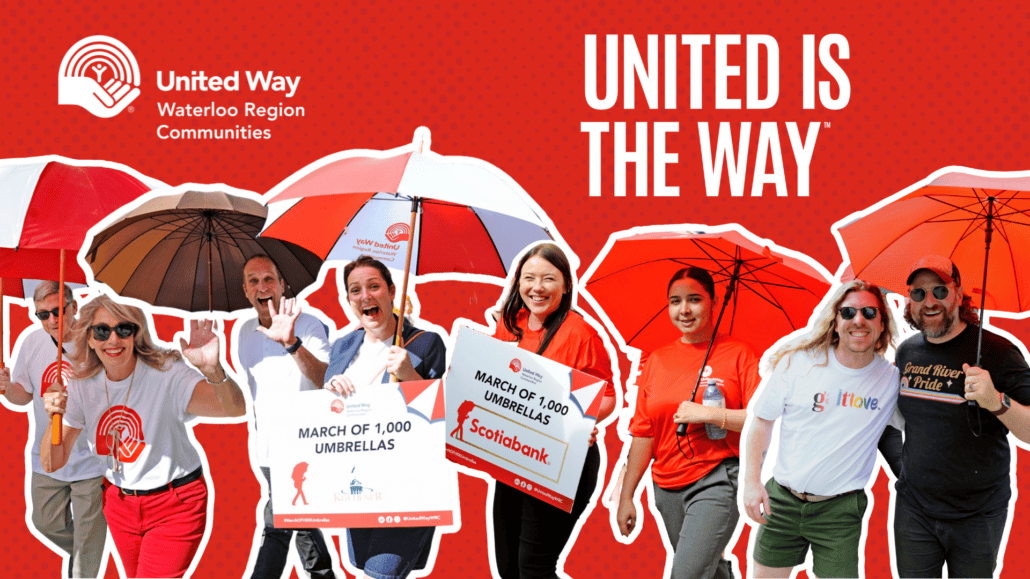
On Sept. 17, over 600 people joined us for the kickoff of our March of 1,000 Umbrellas campaign. There’s a special feeling of strength and belonging that comes from walking to support one’s community with such a large group. You see people you’ve lived and worked alongside over the years. You feel a deep affinity for the place you call home, and even our Region’s biggest challenges feel within reach. This is the power of connection.
It’s no surprise, then, that our data points the same way. Here’s some of what we learned.
Belonging is a protective factor
Social networks are how people find housing and jobs, and people who are struggling alone are less likely to seek help. Isolation is also associated with lower productivity, more absenteeism, and higher healthcare use, so it carries real costs for employers and health systems. The risk is higher for newcomers, seniors living alone, people with disabilities, people in poverty or unstable housing, 2SLGBTQ+ individuals, and, increasingly, young people. The recent Pulse Check survey conducted by Rhythm & Blues Cambridge demonstrates clearly the link between belonging and perceptions of community health and safety.
Challenges are interconnected
People seldom face only one challenge at a time. We see this in the service levels our funded partners report, and in how often they refer the same person on to another provider. Housing, food security, mental health, safety, learning, and belonging are deeply connected.
A chronic health issue causes you to miss work and lose your job, then your home, then your mental health. A mother escaping an abusive relationship with her child reaches safety, but loses her home and belongings. A young newcomer to Canada with low literacy skills struggles both to learn and to make friends.
Calls to the United Way-supported 211 help line from Waterloo Region cover a wide range of situations, and the numbers demonstrate the deep need for connected services. More than 2,700 calls came in from Waterloo Region to date in 2026, and each call represents the great power of someone reaching out rather than going it alone.
Collaboration strengthens impact
We have a solution that has worked for more than 80 years in our Region: the network of charities and programs in Waterloo Region that fill the gaps in the services provided by public and private social services. More than 70 charities and programs provide hands-on services, because interlocking social challenges require a coordinated response. No single organization can solve complex community challenges alone.
Strong outcomes depend on partnerships, referrals, and coordinated services. Collective action helps people get the right support at the right time. Good decisions also require strong data, research, and community engagement. Community surveys like the Children and Youth Planning Table Youth Impact Survey or the Immigrant Survey conducted by the Immigration Partnership of Waterloo Region help us identify emerging priorities. Listening to people with lived experience strengthens our planning, our partnerships, and our long-term impact.
Connection is something we build together
The numbers in our annual report matter, but the story underneath them is about people finding their way back to each other and themselves. Every donation, volunteer hour, and workplace campaign adds a thread to the network that catches someone when one challenge starts to become many. When hundreds of us walked together on Sept. 17, we weren’t only raising funds. We were showing what a connected, powerful community looks like.
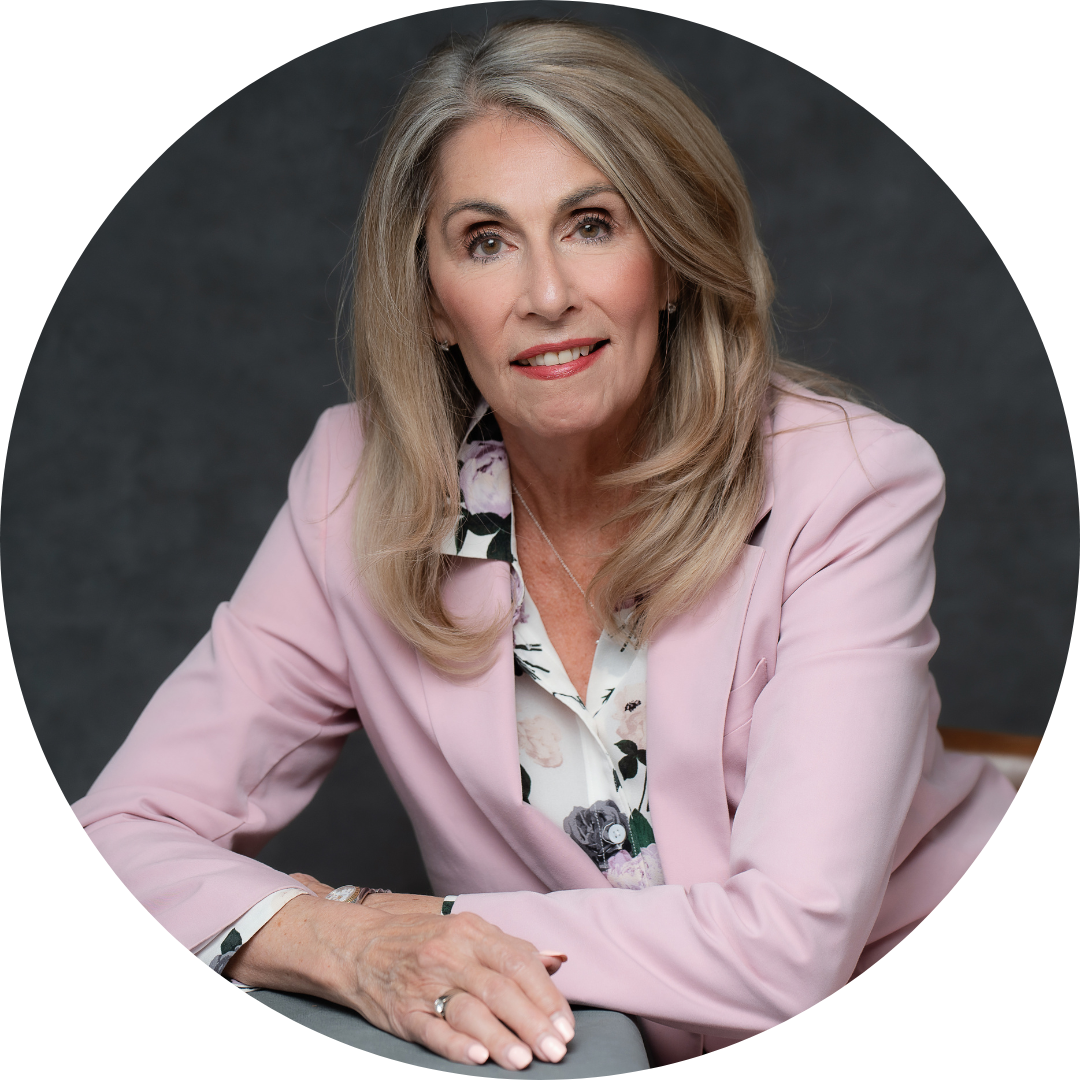
Joan Fisk
CEO, United Way Waterloo Region Communities